Primera sesión presencial del curso de metodología WORKSHOPS ZU METHODISCHEN NEUERUNGEN IM DEUTSCHUNTERRICHT. PRIMARSTUFE en el que se promueve la creatividad en la mejora de la enseñanza del alemán en los centros bilingües de nuestra comunidad.
Este curso continúa con una fase on-line en la que los docentes deben desarrollar actividades de aplicación directa al aula que compartirán con su profesora Bettina Ausborn para concluir con una sesión presencial final en nuestro Centro en el mes de enero.
Consideramos esencial dotar al profesorado de herramientas métodologicas innovadoras que mejoren la calidad de la enseñanza en las secciones bilingües de alemán cuyo destino final es la mejora del aprendizaje de sus alumnos. ¡Gracias por formaros con nosotros!
| Etiquetas: | alemán |
Sesion inicial del curso WORKSHOPS ZU METHODISCHEN NEUERUNGEN IM DEUTSCHUNTERRICHT. SEKUNDARSTUFE UND STAATLICHE SPRACHSCHULEN en el que se fomenta la innovación metodologica en la enseñanza del alemán en secciones bilingües de Educacion Secundaria y entre profesores especialistas de Escuela Oficial de Idiomas.
El ponente es Andrés Izquierdo, profesor del IES Isabel la Católica de Madrid y especialista en ELEARNING. Su ponencia se centró en el uso de dispositivos moviles en el aula y en el uso de twitter como herramienta educativa. Sin duda, una sesión de gran interés, muy innovadora en el uso de medios digitales.
Este curso continúa con una fase on-line en la que los docentes crearán actividades y unidades didácticas de aplicación directa al aula. En enero habrá una sesión final en la que se resumirá y profundizará en los objetivos alcanzados.
Un curso de alta calidad educativa que aúna profundización metodológica en idiomas e innovación, dos de los principales objetivos de nuestro Centro de Formacion del Profesorado en Idiomas.
| Etiquetas: | alemán |

Creating a gold-standard for Project Based Learning and then reaching that standard may seem to be a bit like scaling a mountain - at first glance-difficult, very risky, and somewhat mysterious. However, even the tallest mountains can be climbed if you have the right knowledge, skills, tools, and support—and perhaps a little courage. The same can be said for Project Based Learning.
Take a deep look at the essential elements of a gold standard PBL.
Standard of excellence cannot be achieved without the 4Cs (communication, critical thinking and problem solving, collaboration, and creativity and innovation). These skills are the springboards upon which the highest quality PBL is built; they are embedded in these essential elements; and they must be developed and nurtured in teachers and students alike to successfully reach this high standard.
At the heart of Project Based Learning is the educator -- who brings individual expertise, knowledge, skills, and dispositions. Transforming teaching practice through PBL can be incredibly rewarding, risky, and frustrating.
The very nature of communication changes with PBL. The language used is different, the processes and practices are different, and the relationship between teacher and student is different. New communication strategies and tactics must be employed in the PBL classroom, as the teacher becomes a guide, a facilitator, an enabler, a motivator, and a developer of learning experiences, rather than a lecturer, director, and source of all knowledge. The PBL teacher needs a toolbox full of questioning techniques to develop inquiry and curiosity, and new ways to clearly articulate the purpose and value of PBL to stakeholders, parents, and community members alike, for which this is new.
Critical thinking/problem solving continues to be a core component of PBL both as an end and a means. Teachers must internalize and model critical thinking, building it into the DNA of classroom practice. As Mergendoller points out, this takes intentionality, self-direction, and time. Through this process of development and incorporation into practice, a funny thing happens—critical thinking begins to affect everything, including how instruction is designed, and how one thinks through content for new projects.
The importance of student collaboration is widely acknowledged and appreciated in the worldwide PBL community. Building students’ collaboration skills is a key component, and advantage, of Project Based Learning. Through collaborative experiences, students learn how to collectively plan, work towards a common goal, and recognize and navigate individual differences in skills, abilities, and attitudes. However, teacher collaboration also plays an essential role in the journey toward the highest quality PBL, providing needed peer support and encouragement for this transformation, which often accelerates capacity building. Teacher collaboration can take many forms, from formal professional learning networks, to mentorships and coaching, to informal groups of like-minded peers with common interests. Collaboration occurs inside or outside the school, online, face-to-face, across the world, or across the hall. Collaboration on projects across disciplines strengthens the content; relevance and depth of the project, helping students connect the dots among their separate courses.
The incorporation of creativity and innovation skills in the gold standard PBL should not be overlooked. At the heart of Project Based Learning lies the opportunity for students and teachers to innovate, and to create new products, new learning, and even new ways of visualizing the world.
As the gold standard for PBL develops and evolves, we must be sure our educators have the essential knowledge, tools, support, and skills needed to achieve this goal.
| Etiquetas: | idiomas formación proyectos |
El pasado 25 de noviembre asesores del CFIE de Valladolid y del CFP Idiomas participamos en una sesión de autoformación para la actualización sobre el Programa Erasmus+ en la convocatoria de propuestas 2015.
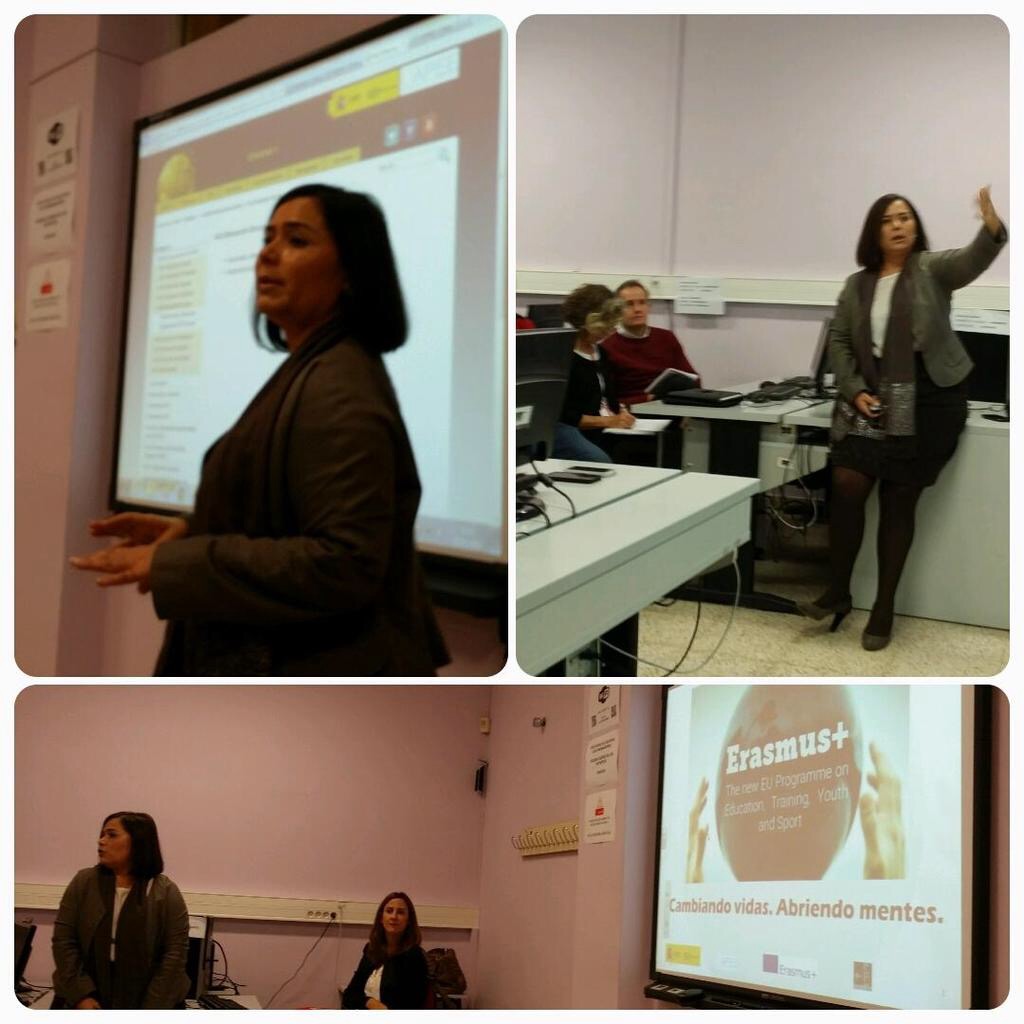
El programa Erasmus+ aprobado por el Parlamento Europeo para el periodo 2014-2020 entró en vigor el 1 de enero de 2014.
El nuevo programa Erasmus + se enmarca en la estrategia Europa 2020, en la estrategia Educación y Formación 2020 y en la estrategia Rethinking Education y engloba todas las iniciativas de educación, formación, juventud y deporte.
En materia educativa abarca todos los niveles: escolar, formación profesional, enseñanza superior y formación de personas adultas.
Erasmus + integrará los programas existentes en el Programa de Aprendizaje Permanente y también los programas de educación superior internacional: Mundus, Tempus, ALFA, Edulink y programas bilaterales, además del Programa Juventud en Acción.
Este nuevo programa se centra en el aprendizaje formal e informal más allá de las fronteras de la UE, con una clara vocación de internacionalización abriéndose a terceros países con el objetivo de mejorar las capacidades educativas y formativas de las personas para la empleabilidad de estudiantes, profesorado y trabajadores y trabajadoras.
Durante la sesión se presentaron las posibilidades que ofrece el programa Erasmus+ a los centros educativos de Castilla y León. La participación en las acciones que el programa Erasmus+ proporciona a los docentes vías de formación para la mejora de la calidad educativa.
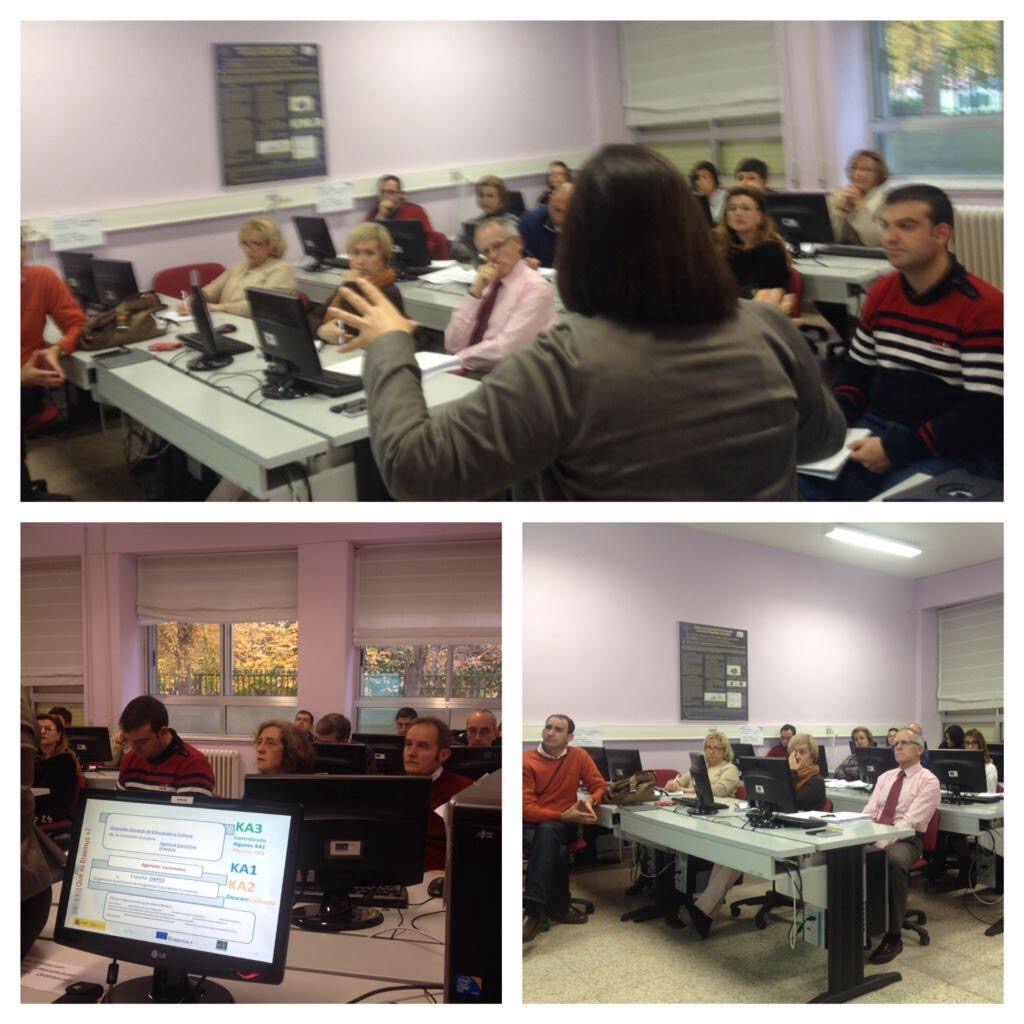
Erasmus+ permite a los centros educativos abrir sus puertas a Europa para el intercambio de profesorado, experiencias, buenas prácticas…
Destacar la labor de los asesores de la RED de Formación en la difusión de acciones dentro del programa Erasmus+.
| Etiquetas: | erasmus plus proyectos europa |
10 Strategies for Overcoming Language Barriers
By Kate Berardo
Language barriers are a common challenge in international business settings—and a two-way process. What native speakers often don't realize is that frequently it is not the other person's accent but their own way of speaking that creates the greatest barriers to effective communication. Use the strategies below to ensure you're not putting up your own roadblocks to effective international communication.
1. Speak slowly and clearly.
Focus on clearly enunciating and slowing down your speech. Even if you’re pressured for time, don’t rush through your communication. Doing so often takes more time, as miscommunication and misunderstanding can result and you’ll ultimately have to invest additional time in clearing up the confusion.
2. Ask for clarification.
If you are not 100% sure you’ve understood what others say, politely ask for clarification. Avoid assuming you’ve understood what’s been said.
3. Frequently check for understanding.
Check both that you’ve understood what’s been said and that others have fully understood you.
Practice reflective listening to check your own understanding (e.g. 'So what I hear you saying is…') and use open-ended questions to check other people’s understanding. Ask, 'what's your understanding of this process?' instead of 'is that clear?'
4. Avoid idioms.
Business language is often contextual, and therefore culture specific. For example, in the US, baseball terms are used extensively: ‘Straight off the Bat,’ ‘Ballpark figures,’ ‘Out in left field,’ ‘Touch base,’ ‘Strike a deal’. As a good general rule, if the phrase requires knowledge of other information—be it a game or metaphor—recognize that this may make your communication more difficult to be understood.
5. Be careful of jargon.
Watch the use of TLAs (Three Letter Abbreviations) and other organizational language that may not be understood by others. If you use them, provide in parentheses a description of what these are so others can learn to use the same language you do.
6. Define the basics of business.
In international business contexts terms such as: ‘success’, ‘doneness’, ‘meetings’, ‘punctuality’, etc may mean different things to different people. Spend time early in your communication defining what these mean to you and others. Invest in building a shared vocabulary.
7. Be specific.
Spell out your expectations and deadlines clearly. Instead of, ‘Please get back to me shortly,’ say ‘Please email the completed report by 5 pm Eastern Standard time on Wednesday, February 21.’
8. Choose your medium of communication effectively.
Carefully choose your form of communication (phone or video conference, email, instant message, etc.). Be mindful not to ‘overuse’ email. While useful, there are times when the medium is likely to be ineffective. When a message is complex and complicated or there is tension or conflict that needs to be resolved, switch to another medium.
9. Provide information via multiple channels.
Follow phone calls with emails that summarize what’s been said. When possible, provide presentations, agendas, etc. in advance so those working in their non-native language can get familiar with materials.
10. Be patient.
Cross-cultural communication takes more time. If not at all times, certainly initially you cannot expect your communication to occur with the same speed and ease as when you are communicating with someone from your own culture.
| Etiquetas: | idiomas comunicacion lenguas formación |

Palabras e imágenes se dieron la mano en el Colegio Fonseca de Salamanca el día 21 de Noviembre.
Un acto de difusión del Proyecto Tecnicea: http://proyectotecnicea.eu/que ha implicado a los coordinadores y directiva de los centros participantes en el mismo.


Fotos: Tomás García Pooley. Profesor IESO T. Bretón. Villamayor de Armuña .Salamanca
Las 8 asociaciones hispanolusas mostraron lo más relevante e cada uno de sus proyectos. Los resultados variados y de gran calidad‚ la dedicación ‚ evidente‚ el esfuerzo‚ ingente.
La repercusión‚ sin duda: una experiencia inesquecível para los alumnos. Quedará grabado en su memoria. Y la memoria es conocimiento.
Tecnicea ha logrado traspasar fronteras. Os mostramos vídeo-resumen do convívio:
Parabéns!. ¡Enhorabuena!

Background
Teaching Strategies
Assessment
| Etiquetas: | idiomas formación |
El pasado miércoles 12 de noviembre profesores de los centros colaboradores del Proyecto Teacher Competences for Plurilingual Integration TC4PI, coordinado por el Centro de Formación del Profesorado en Idiomas, participaron en la formación que desde hace dos cursos se viene celebrando.
A la jornada asistieron profesores de los centros CEIP Maria Teresa Iñigo de Toro, CEIP Narciso Alonso Cortés, CEIP Parque Alameda, IES Arca Real e IES Emilio Ferrari junto con futuros maestros de la Facultad de Educación de la Universidad de Valladolid, socio y investigador principal del Proyecto. En esta ocasión contamos con una invitada especial, Ericka François, Futura Maestra Americana en Prácticas, que se encuentra realizando sus prácticas en los centros CEIP Elvira Lindo y CEIP Kantic@ de Valladolid dentro de un programa gestionado por la Dirección General de Innovación Educativa y Formación del Profesorado. Ericka participó activamente en las actividades del taller y aportó su visión como futura maestra proveniente de otro país, cultura…etc.

Durante la sesión Inmaculada Martín del CEIP Parque Alameda y a Rubén Capa del IES Arca Real compartieron con los asistentes la experiencia y reflexiones sobre su participación como Job Shadowers en Lituania el pasado mes de octubre.
Tuvimos la oportunidad de revisar las actividades desarrolladas hasta la fecha tanto por socios como por profesores. A lo largo de este trimestre (octubre, noviembre y diciembre) están planteadas unas actividades en las respectivas aulas virtuales alojadas en la plataforma del CFPI.
En las próximas semanas dará comienzo una actividad formativa para todos los profesores de la RED TC4PI pero también abierta a otros profesores que estén interesados en el tema. La actividad tiene como título “CHALLENGING TEACHERS FOR PLURILINGUAL INTEGRETATION THROUGH PROJECTS” . (Abierto periodo de inscripción hasta el 25 de noviembre)
El próximo Job Shadowing se celebrará la semana del 23 de febrero de 2015 en Estambul, donde nuestro socio anfitrión será la red de Centros DOGA SCHOOLS. En esta ocasión viajarán, un profesor/a del CEIP María Teresa Iñigo de Toro y un profesor/a del IES Emilio Ferrari.
Podéis acceder a todas las fotos de la jornada a través de los perfiles del @CFPIdiomas y @tc4pi en Twitter.
Por ultimo me gustaría incluir en este correo la reflexión que me ha enviado Ericka, la Futura Maestra Americana en Prácticas que compartió con nosotros la sesión y que, por falta de tiempo, no pudo comentar con todo el grupo, creo que es interesante conocer su feedback
“I truly enjoyed the workshop and all of the open-minded conversation it generated. By the end of it, the first thing I thought about is, why it is that many American teachers share the same mindset of the individuals in the room tonight. It was refreshing to hear cultured responses and overall value and appreciation of plurilingualism (which is something that is hard to find in the United States). Even with our diverse culture, many people don't find value in learning and sharing other languages and it’s truly disheartening because as we learned tonight, language not only open doors, it makes way for culture appreciation and understanding. Thank you for all that you do. And thank you for sharing the knowledge with me; I hope that the people at the workshop pass along what they learned to their colleagues, friends, family members, and students."
La formación en cascada es un pilar fundamental de la estructura de esta red de profesores TC4PI. Los profesores colaboradores participan directamente en las actividades formativas del Proyecto y trasladan al resto de profesores de sus respectivos centros todas aquellas ideas, buenas prácticas etc
Queremos agradecer su entusiasmo a todos los profesores TC4PI a lo largo de estos tres cursos y esperamos poder seguir construyendo juntos.
FACEBOOK https://www.facebook.com/tc4pi
TWITTER https://twitter.com/tc4pi
WEB TC4PI http://www.tc4pi.eu/web/
YOUTUBE CHANNEL http://www.youtube.com/user/TC4PI
TC4PI BLOG http://tc4piblog.blogspot.com.es/
| Etiquetas: | lenguas proyectos formación idiomas |
El CEIP Nicomedes Sanz, de Santovenia de Pisuerga, desarrolló, durante el curso 2013/2014, un proyecto de "ciudad" en inglés, NICOTOWN.
La idea, nace de un proyecto del departamento de inglés del CEIP Nicomedes Sanz durante el curso 2013-2014 con el propósito de mejorar la competencia comunicativa en lengua extranjera y más concretamente las destrezas orales del alumnado del centro.
Las actividades realizadas son muchas y variadas, y pueden verse en el blog Nicotown que el centro tiene dentro de sus Edublogs, en el que nos encontramos hasta el propio dinero, creado por los alumnos.
Nicotown es creación de las docentes Carmen Azcona Sanz, Mabel Ortega Martínez y Mamen Fuentevilla.

| Etiquetas: | idiomas proyectos |
|
|||||||||||||||||||||||||||||||||||||||||||||||||||
|
|||||||||||||||||||||||||||||||||||||||||||||||||||
|
||
|
||
 julio 2022 (2)junio 2022 (12)abril 2022 (4)marzo 2022 (7)diciembre 2021 (3)noviembre 2021 (5)junio 2021 (16)mayo 2021 (1)abril 2021 (1)marzo 2021 (5)febrero 2021 (4)diciembre 2020 (7)noviembre 2020 (3)junio 2020 (12)mayo 2020 (13)marzo 2020 (9)febrero 2020 (3)enero 2020 (5)diciembre 2019 (10)noviembre 2019 (1)octubre 2019 (2)junio 2019 (8)mayo 2019 (2)abril 2019 (4)marzo 2019 (4)febrero 2019 (3)diciembre 2018 (2)noviembre 2018 (3)octubre 2018 (2)septiembre 2018 (1)julio 2018 (1)junio 2018 (5)mayo 2018 (1)abril 2018 (4)marzo 2018 (13)febrero 2018 (3)enero 2018 (2)diciembre 2017 (4)noviembre 2017 (4)octubre 2017 (5)septiembre 2017 (2)junio 2017 (10)mayo 2017 (11)abril 2017 (6)marzo 2017 (16)febrero 2017 (2)enero 2017 (6)diciembre 2016 (5)noviembre 2016 (7)octubre 2016 (9)septiembre 2016 (18)julio 2016 (1)junio 2016 (13)mayo 2016 (15)abril 2016 (9)marzo 2016 (10)febrero 2016 (14)enero 2016 (8)diciembre 2015 (16)noviembre 2015 (16)octubre 2015 (9)septiembre 2015 (7)julio 2015 (1)junio 2015 (6)mayo 2015 (5)abril 2015 (8)marzo 2015 (13)febrero 2015 (10)enero 2015 (7)diciembre 2014 (14)noviembre 2014 (12)octubre 2014 (15)septiembre 2014 (14)junio 2014 (1)mayo 2014 (1)abril 2014 (2)marzo 2014 (2)febrero 2014 (2)enero 2014 (4)diciembre 2013 (3)noviembre 2013 (10)octubre 2013 (14)febrero 2013 (1)enero 2013 (1)octubre 2012 (1)septiembre 2012 (1)mayo 2012 (2)marzo 2008 (1) julio 2022 (2)junio 2022 (12)abril 2022 (4)marzo 2022 (7)diciembre 2021 (3)noviembre 2021 (5)junio 2021 (16)mayo 2021 (1)abril 2021 (1)marzo 2021 (5)febrero 2021 (4)diciembre 2020 (7)noviembre 2020 (3)junio 2020 (12)mayo 2020 (13)marzo 2020 (9)febrero 2020 (3)enero 2020 (5)diciembre 2019 (10)noviembre 2019 (1)octubre 2019 (2)junio 2019 (8)mayo 2019 (2)abril 2019 (4)marzo 2019 (4)febrero 2019 (3)diciembre 2018 (2)noviembre 2018 (3)octubre 2018 (2)septiembre 2018 (1)julio 2018 (1)junio 2018 (5)mayo 2018 (1)abril 2018 (4)marzo 2018 (13)febrero 2018 (3)enero 2018 (2)diciembre 2017 (4)noviembre 2017 (4)octubre 2017 (5)septiembre 2017 (2)junio 2017 (10)mayo 2017 (11)abril 2017 (6)marzo 2017 (16)febrero 2017 (2)enero 2017 (6)diciembre 2016 (5)noviembre 2016 (7)octubre 2016 (9)septiembre 2016 (18)julio 2016 (1)junio 2016 (13)mayo 2016 (15)abril 2016 (9)marzo 2016 (10)febrero 2016 (14)enero 2016 (8)diciembre 2015 (16)noviembre 2015 (16)octubre 2015 (9)septiembre 2015 (7)julio 2015 (1)junio 2015 (6)mayo 2015 (5)abril 2015 (8)marzo 2015 (13)febrero 2015 (10)enero 2015 (7)diciembre 2014 (14)noviembre 2014 (12)octubre 2014 (15)septiembre 2014 (14)junio 2014 (1)mayo 2014 (1)abril 2014 (2)marzo 2014 (2)febrero 2014 (2)enero 2014 (4)diciembre 2013 (3)noviembre 2013 (10)octubre 2013 (14)febrero 2013 (1)enero 2013 (1)octubre 2012 (1)septiembre 2012 (1)mayo 2012 (2)marzo 2008 (1) |
||
|
||
|
Cantidad de posts: 557
Cantidad de comentarios: 380 |
||
|
||
 ... ...(Jorge Balbuena) La clave del marke...(Paulina Jimenez) Sistemas de Extinc...(Tovar Luis) D...(Eduardo Portillo) ISO 3941:2026 actu...(Ana Morillas) Descubre la Sierra...(Juanito Jimenez) La huella de una t...(Tovar Luis) Sistema APPCC (An...(Tovar Luis) Llamas en la calle...(Tovar Luis) Desalojan ocho viv...(Tovar Luis) |
||
|
||

 Calendario
 Categoría

 Los más comentados

 Archivo
 Reportes
 Últimos comentarios
 Etiquetas