La Casa Encendida de Madrid acoge, hasta el 5 de enero de 2016, una exposición sobre "Alicia en el País de las Maravillas" para celebrar el 150 aniversario de esta obra maestra de la literartura inglesa.

“Si no sabes a dónde vas cualquier camino te llevará allí”. Ésta es una de las muchas frases que aparecen en el libro de Alicia en el País de las Maravillas y que bajo su cándido aspecto encierran notables lecciones para la vida. Una obra de literatura de carácter universal y que acaba de cumplir un siglo y medio de vida, por ello recibe un merecido e interesante tributo en Madrid, más concretamente en La Casa Encendida.

Se acaban de cumplir 150 años desde que Lewis Carroll sacase de su cabeza e imaginación delirantes personajes como ‘El Sombrerero’ o ‘La Reina de Corazones’, figuras que resultan familiares a un montón de generaciones y que habitaban un mundo aparentemente absurdo y mantenían diálogos locos pero con un importante trasfondo filosófico. Todo ello queda recogido en la muestra que os quiero recomendar hoy y que durará hasta el próximo martes de 5 enero. En ella los asistentes van a poder contemplar nada más y nada menos que 80 ejemplares únicos de este cautivador libro y que, por cierto, corresponden a una colección privada.
No son ejemplares cualquiera sino que todos tienen alguna particularidad. El más antiguo de todos los que podréis ver data del año 1900, otra de las reliquias expuestas es un ejemplar del año 1927 correspondiente a la primera edición que se publicó en España de esta obra. No obstante, uno de los grandes tesoros de esta muestra es un “Alicia en el País de las Maravillas” ilustrado por el gran Salvador Dalí (¿Qué otro artista podía dibujar y retratar mejor el electrizante universo de Carroll?) que corresponde a una limitada serie del año 1969.
Mucho ha llovido ya desde que este libro viese la luz en Londres aquel 1865 pero este libro sigue sumando adeptos y seguidores entre el gran público, generación tras generación. A todos ellos les recomiendo esta visita, de carácter gratuito, y que podrán hacer en La Casa Encencida, repito, hasta la primera semana de enero de 2016.
La Casa Encendida (Calle Ronda de Valencia 2)
Horario: Todos los días, excepto lunes, de 10:00 a 21:15
Fecha de clausura de la muestra: 5 de enero de 2016
Más información en la web de La Casa Encendida
FOOD FOR THOUGHT

“Aren't authentic materials too difficult?
Yes they are, but that's the point! Your text, written or recorded, is likely to be too hard, even, in some cases, for advanced students. The trick, regardless of the text used, is not to edit and grade the text, but to grade the task according to your students' abilities. This is for three reasons: most importantly, it reflects the kind of situation your students may face in an English-speaking environment, it saves you time and energy (more of an added bonus than a reason) and lastly it encourages and motivates your students when they can 'conquer' a real text.”
This is a great example of a web where you can adapt authentic materials for your bilingual lessons.

with articles, vídeos, games and lots of different things about the human body.


Festival transfronteirizo em Zamora : Douro Film Harvest
2-8 dezembro 2015
Gastronomia, vinho e filmes encontram-se este fim de semana em Zamora: Douro Film Harvest
Mais de dez filmes que poderám visionar-se em Fundação Afonso Henriques e Teatro Ramos Carrión. Podem provarse vinhos, queijos e azeite

Há também exposições e recursos turísticos Facebook
Traler de Someone´s Harvest do ealizador chinês Zhang Tao
Uma viagem pela europa do vinho, e do Douro
You can't miss this exhibition if you visit the City
24 September 2015 –
31 January 2016
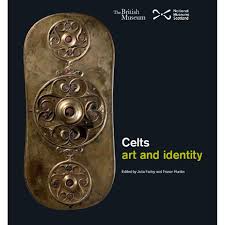
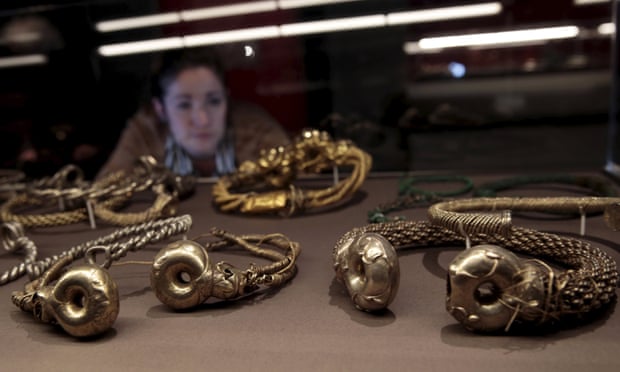
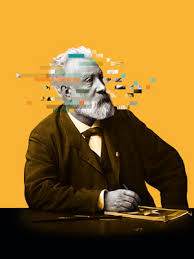
Tres propuestas culturales para el fin de semana, la navidad, actividades extraescolares... en Valladolid y Madrid. Para más información, pinchaz en las imágenes.
En el Teatro Calderón, el Tartufo de Molère.

Del 6 de noviembre al 21 de febrero de 2016 en el Espacio Fundación Telefónica.
El Museo del Prado de Madrid expone 70 obras de Ingres nunca vistas en España.

| Etiquetas: | propuestas culturales francés pintura novela teatro |

In Finland, schools are putting less emphasis on teaching subject matters and more on teaching thinking, ICT, work and multicultural contexts survival skills. Experts think that the way students learn and what they learn is constantly affected by the ever-changing world in which they live. Hence, reflection is being slanted towards the kind of skills youngsters will need to be successful in the future. Find out more about Finland’s “Phenomenon based Learning”!
In Japan, the government is aiming to change the way students learn, behave and see the world, discover how: https://youtu.be/vvO3DaZH2aQ
Learning World is brought to you by euronews: http://www.euronews.com/learning-world
SUBSCRIBE to get more videos from WISE: http://www.youtube.com/WISEQatar?sub_...
World Innovation Summit for Education (WISE) is an international, multi-sectoral and action-oriented platform for innovation in education that connects innovators, nurtures new ideas, and recognizes and supports successful initiatives that are helping revitalize education.
For more information about WISE: http://www.wise-qatar.org
Follow WISE on Twitter: http://twitter.com/WISE_Tweets
Like WISE on Facebook: http://www.facebook.com/wiseqatar
World Innovation Summit for Education (WISE) is an international, multi-sectoral and action-oriented platform for innovation in education that connects innovators, nurtures new ideas, and recognizes and supports successful initiatives that are helping revitalize education.
For more information about WISE: http://www.wise-qatar.org
| Etiquetas: | idiomas inglés proyectos |
Jonathan Clark provides us interesting selected topics for discussion and writing in English. They can be commented as they take part of a facebook page

Both trending topics or ideas for developing funny exercises in your lessons

Take this as a challenge:
How well do you really know your country? Take our quiz
Most people around the world are pretty bad when it comes to knowing the stats behind the news. Ipsos surveyed people in 33 countries around the world on issues ranging from immigration to obesity - how does your knowledge compare to theirs?
Revealed: the gap between what you know and the reality
To begin, which country do you think you know best?
Start the quiz ›
1.-What percentage of the UK population do you think are immigrants to this country (i.e. not born in the UK)?
http://www.theguardian.com/world/ng-interactive/2015/dec/02
These are only two examples. Don´t miss it!
http://www.teachingenglish.org.uk/article/intercultural-learning-1
This is the first of two articles that deal with the topic of intercultural awareness and learning. This article sets out the methodological background to this topic, and the second article - Intercultural learning 2 - offers practical suggestions for the classroom.

·
· What is intercultural learning?
· What do we understand by the word 'culture'?
· Intercultural awareness
· Intercultural communicative competence
· Intercultural awareness skills
· How does this affect the role of the teacher?
· When should we introduce this?
Introduction
There will have been points in most teachers' careers when we have stopped to wonder "What am I actually doing?". Sometimes, filling our students up with all the requisite grammar and vocabulary, and polishing their pronunciation and honing their communicative skills doesn't actually seem to be helping them to achieve the wider goal of being able to genuinely communicate with and understand the real world outside the classroom at all.
For too long, we have been concentrating on structures and forms and producing materials that may help our students to have perfect diphthongs or a flawless command of the third conditional while leaving out anything approaching real, valid, meaningful content. Major ELT publishers have produced materials so carefully calculated not to offend anyone that they far too often end up being vacuous if not completely meaningless. If our students are to have any hope of using their language skills to genuinely comprehend and communicate in the global village, intercultural awareness is crucial.
What is intercultural learning?
The process of becoming more aware of and better understanding one's own culture and other cultures around the world. The aim of intercultural learning is to increase international and cross-cultural tolerance and understanding. This can take lots of forms - intercultural learning is by no means only a part of EFL, but has exponents in all fields of education.
What do we understand by the word 'culture'?
A way of life. A set of social practices. A system of beliefs. A shared history or set of experiences. A culture may be synonymous with a country, or a region, or a nationality or it may cross several countries or regions. A culture may be synonymous with a religion, though followers of Christianity or Judaism or Islam may also come from different cultures. It is highly possible to belong to or identify oneself with more than one culture.
Intercultural awareness
Intercultural awareness in language learning is often talked about as though it were a 'fifth skill' - the ability to be aware of cultural relativity following reading, writing, listening and speaking. There is something to be said for this as an initial attempt to understand or define something that may seem a difficult concept but, as Claire Kramsch points out ...
"If...language is seen as social practice, culture becomes the very core of language teaching. Cultural awareness must then be viewed as enabling language proficiency ... Culture in language teaching is not an expendable fifth skill, tacked on, so to speak, to the teaching of speaking, listening, reading and writing" (in Context and Culture in Language Teaching OUP,1993).
Language itself is defined by a culture. We cannot be competent in the language if we do not also understand the culture that has shaped and informed it. We cannot learn a second language if we do not have an awareness of that culture, and how that culture relates to our own first language/first culture. It is not only therefore essential to have cultural awareness, but also intercultural awareness.
Intercultural communicative competence
Following on from what Kramsch says above, intercultural awareness is not really therefore a skill, but a collection of skills and attitudes better thought of as a competence.
Intercultural communicative competence is an attempt to raise students' awareness of their own culture, and in so doing, help them to interpret and understand other cultures. It is not just a body of knowledge, but a set of practices requiring knowledge, skills and attitudes.
Intercultural awareness skills
What are these attitudes and skills that make up the competence? Among them are:
- observing, identifying and recognising
- comparing and contrasting
- negotiating meaning
- dealing with or tolerating ambiguity
- effectively interpreting messages
- limiting the possibility of misinterpretation
- defending one's own point of view while acknowledging the legitimacy of others
- accepting difference
These are very similar to many of the skills we teach normally. So what makes intercultural learning different? Raised awareness of what we do and of the vital importance of these skills already makes intercultural communicative competence a more attainable goal. Moreover - and despite the fact that the competence is more than just a body of knowledge - intercultural awareness skills can be developed by designing materials which have cultural and intercultural themes as their content, a kind of loop input, if you like.
How does this affect the role of the teacher?
What are teachers? Activities managers? Language facilitation units? Babysitters? Intercultural learning gives the teacher a role not only as one or more of these, but also as an educator. This makes many teachers feel uncomfortable, above all with the idea that we may be influencing our students in some way. Are we responsible for transmitting some kind of ideology to our students?
No, we are helping them to become more aware of the world around them, and to better interact with that world. These are the crucial roles of the teacher.
Moreover, EFL teachers tend to have a wide variety of different backgrounds in different disciplines. They have different experiences, and in many cases may have travelled extensively and got to know several different cultures. They may have undergone the experience of living in, adjusting to and understanding a different culture. There is a lot that they can bring to the job. They are unique mediators of cultural relativity.
When should we introduce this?
Previously, "cultural awareness" has often only been seen as something for advanced learners, an extension exercise that can be "tacked on" to an ordinary lesson. This is partly due to the all-too-frequent error of assuming that students with a low level of English also have a low intellect generally, or that it is impossible to explain intellectual concepts in level one English. Intercultural awareness, as a fundamental feature of language and an integral part of language learning, is important at all levels.
Chris Rose, British Council, Italy
| Etiquetas: | idiomas |


| Etiquetas: | inglés |
This is a great web 20 tool to make quizzes using your students' mobile devices. You create the quiz and they can answer the questions and play joining the group with the application Kahoot.it
Watch the video-tutorials and give it a try!
Ceci est un excellent outil web 20 à faire des quiz aide d'appareils mobiles de vos élèves . Vous créez le quiz et ils peuvent répondre aux questions et de jouer de rejoindre le groupe avec l'application Kahoot.it
Regardez les vidéo - tutoriels et lui donner un essai !
Dies ist ein großes Werkzeug, um die Bahn 20 Quizfragen mit mobilen Geräten Ihrer Schüler zu machen. Sie erstellen das Quiz und sie die Fragen zu beantworten und zu spielen Teilnahme an der Gruppe mit der Anwendung Kahoot.it können
Sehen Sie sich das Video - Tutorials und probieren Sie es aus !
| Etiquetas: | web 2.0 |
|
|||||||||||||||||||||||||||||||||||||||||||||||||||
|
|||||||||||||||||||||||||||||||||||||||||||||||||||
|
||
|
||
 julio 2022 (2)junio 2022 (12)abril 2022 (4)marzo 2022 (7)diciembre 2021 (3)noviembre 2021 (5)junio 2021 (16)mayo 2021 (1)abril 2021 (1)marzo 2021 (5)febrero 2021 (4)diciembre 2020 (7)noviembre 2020 (3)junio 2020 (12)mayo 2020 (13)marzo 2020 (9)febrero 2020 (3)enero 2020 (5)diciembre 2019 (10)noviembre 2019 (1)octubre 2019 (2)junio 2019 (8)mayo 2019 (2)abril 2019 (4)marzo 2019 (4)febrero 2019 (3)diciembre 2018 (2)noviembre 2018 (3)octubre 2018 (2)septiembre 2018 (1)julio 2018 (1)junio 2018 (5)mayo 2018 (1)abril 2018 (4)marzo 2018 (13)febrero 2018 (3)enero 2018 (2)diciembre 2017 (4)noviembre 2017 (4)octubre 2017 (5)septiembre 2017 (2)junio 2017 (10)mayo 2017 (11)abril 2017 (6)marzo 2017 (16)febrero 2017 (2)enero 2017 (6)diciembre 2016 (5)noviembre 2016 (7)octubre 2016 (9)septiembre 2016 (18)julio 2016 (1)junio 2016 (13)mayo 2016 (15)abril 2016 (9)marzo 2016 (10)febrero 2016 (14)enero 2016 (8)diciembre 2015 (16)noviembre 2015 (16)octubre 2015 (9)septiembre 2015 (7)julio 2015 (1)junio 2015 (6)mayo 2015 (5)abril 2015 (8)marzo 2015 (13)febrero 2015 (10)enero 2015 (7)diciembre 2014 (14)noviembre 2014 (12)octubre 2014 (15)septiembre 2014 (14)junio 2014 (1)mayo 2014 (1)abril 2014 (2)marzo 2014 (2)febrero 2014 (2)enero 2014 (4)diciembre 2013 (3)noviembre 2013 (10)octubre 2013 (14)febrero 2013 (1)enero 2013 (1)octubre 2012 (1)septiembre 2012 (1)mayo 2012 (2)marzo 2008 (1) julio 2022 (2)junio 2022 (12)abril 2022 (4)marzo 2022 (7)diciembre 2021 (3)noviembre 2021 (5)junio 2021 (16)mayo 2021 (1)abril 2021 (1)marzo 2021 (5)febrero 2021 (4)diciembre 2020 (7)noviembre 2020 (3)junio 2020 (12)mayo 2020 (13)marzo 2020 (9)febrero 2020 (3)enero 2020 (5)diciembre 2019 (10)noviembre 2019 (1)octubre 2019 (2)junio 2019 (8)mayo 2019 (2)abril 2019 (4)marzo 2019 (4)febrero 2019 (3)diciembre 2018 (2)noviembre 2018 (3)octubre 2018 (2)septiembre 2018 (1)julio 2018 (1)junio 2018 (5)mayo 2018 (1)abril 2018 (4)marzo 2018 (13)febrero 2018 (3)enero 2018 (2)diciembre 2017 (4)noviembre 2017 (4)octubre 2017 (5)septiembre 2017 (2)junio 2017 (10)mayo 2017 (11)abril 2017 (6)marzo 2017 (16)febrero 2017 (2)enero 2017 (6)diciembre 2016 (5)noviembre 2016 (7)octubre 2016 (9)septiembre 2016 (18)julio 2016 (1)junio 2016 (13)mayo 2016 (15)abril 2016 (9)marzo 2016 (10)febrero 2016 (14)enero 2016 (8)diciembre 2015 (16)noviembre 2015 (16)octubre 2015 (9)septiembre 2015 (7)julio 2015 (1)junio 2015 (6)mayo 2015 (5)abril 2015 (8)marzo 2015 (13)febrero 2015 (10)enero 2015 (7)diciembre 2014 (14)noviembre 2014 (12)octubre 2014 (15)septiembre 2014 (14)junio 2014 (1)mayo 2014 (1)abril 2014 (2)marzo 2014 (2)febrero 2014 (2)enero 2014 (4)diciembre 2013 (3)noviembre 2013 (10)octubre 2013 (14)febrero 2013 (1)enero 2013 (1)octubre 2012 (1)septiembre 2012 (1)mayo 2012 (2)marzo 2008 (1) |
||
|
||
|
Cantidad de posts: 557
Cantidad de comentarios: 380 |
||
|
||
 ... ...(Jorge Balbuena) La clave del marke...(Paulina Jimenez) Sistemas de Extinc...(Tovar Luis) D...(Eduardo Portillo) ISO 3941:2026 actu...(Ana Morillas) Descubre la Sierra...(Juanito Jimenez) La huella de una t...(Tovar Luis) Sistema APPCC (An...(Tovar Luis) Llamas en la calle...(Tovar Luis) Desalojan ocho viv...(Tovar Luis) |
||
|
||

 Calendario
 Categoría

 Los más comentados

 Archivo
 Reportes
 Últimos comentarios
 Etiquetas